As neurologists, we are trained to study the brain, the most complex and delicate organ of the human body. But no amount of medical training fully prepares us for the emotional weight that comes with certain diagnoses. Among them, brain tumors remain one of the most challenging conditions we encounter, not only clinically, but also emotionally.
Over the years, I have met many patients who walked into the outpatient department with what appeared to be minor complaints: a headache that refused to go away, occasional dizziness, a brief episode of seizure, or subtle changes in behavior noticed only by family members. Sometimes, behind these seemingly small symptoms lies a life-altering diagnosis.
A Patient I Still Remember
I clearly remember a young man in his early thirties who came to me accompanied by his wife and elderly mother. His main complaint was persistent headaches and occasional blurring of vision. He was still going to work every day, trying not to worry his family too much.
An MRI scan later that evening revealed a space-occupying lesion in the frontal lobe, a finding that instantly changed the atmosphere in the room.
When I explained the report, there was silence. His wife held his hand tightly, while his mother quietly wiped her tears, trying not to let him see her fear. As doctors, we often stand at that fragile moment, balancing honesty with hope.
It is never easy to tell someone that there is a tumor in their brain.
Clinical Decisions Beyond Reports
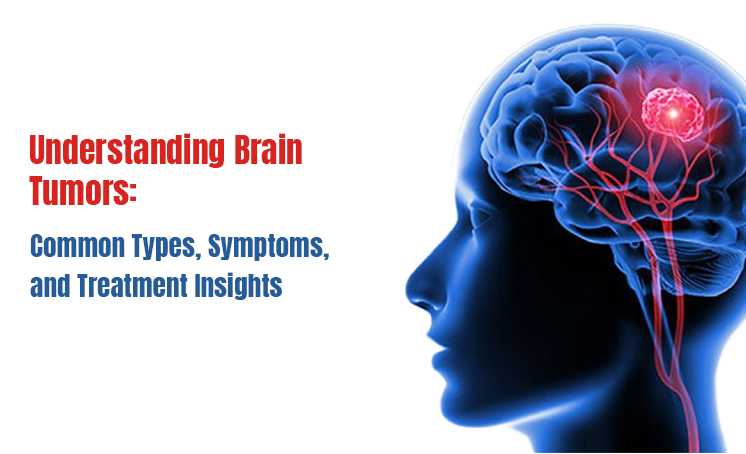
Brain tumors can be benign or malignant, slow-growing or aggressive. Their impact depends largely on their location, size, and pressure on surrounding brain tissue. Symptoms may range from headaches and seizures to speech difficulty, limb weakness, personality changes, or memory loss.
In this patient’s case, early diagnosis worked in his favor.
After discussing the case with a neurosurgical team, we planned a stepwise approach, stabilizing symptoms first, followed by surgical intervention. What many people do not realize is that treatment is not just about removing a tumor; it is about preserving dignity, function, and quality of life.
The surgery went well. Postoperatively, there were difficult days, moments of confusion, fear, and emotional breakdowns. But gradually, with rehabilitation, medication, and constant family support, he began to recover.
Weeks later, when he walked back into my clinic on his own, smiled, and said, “Doctor, I am going back to work next month,” it reminded me why we chose this profession.
Not Every Story Ends the Same
However, medicine is honest; not every story ends happily.
There are patients we lose despite our best efforts. Some tumors are aggressive. Some come too late. Some progress silently until treatment options become limited.
These moments stay with us long after hospital hours end. They teach us humility. They remind us that medicine is not about miracles every day; it is about standing with the patient, even when a cure is not possible.
Sometimes, the greatest treatment we offer is clarity, comfort, and compassion.
Treatment Options for Brain Tumors
Modern neurology and neurosurgery now offer multiple treatment approaches depending on individual cases:
- Surgical removal, when safely possible
- Radiation therapy to control tumor growth
- Chemotherapy or targeted therapy
- Anti-seizure medications and supportive care
- Regular monitoring for slow-growing tumors
Every treatment plan is personalized. No two patients, and no two tumors, are ever the same.
Medicine is not only about guidelines and journals. It is also about the silent moments after delivering difficult news, the hope seen in a patient’s eyes, and the lessons learned from both recovery and loss.
