As a neurologist, few emergencies make my heart beat faster than the word stroke. Not because it is unfamiliar, we treat it every day, but because a stroke does not wait. It arrives suddenly, without warning, and every passing minute decides how much of the brain can be saved.
I still remember a call I received early one morning from the emergency department. A 58-year-old man had been brought in by his wife. He had woken up unable to move his right hand and was struggling to form words. She told me later that she almost waited, hoping it would improve on its own. Something inside her, however, said not to delay.
That instinct made all the difference.
Understanding What a Brain Stroke Really Is
A brain stroke occurs when the blood supply to a part of the brain is suddenly interrupted. The brain depends entirely on continuous blood flow for oxygen and nutrients. When that supply stops — even for a few minutes — brain cells begin to suffer irreversible damage.
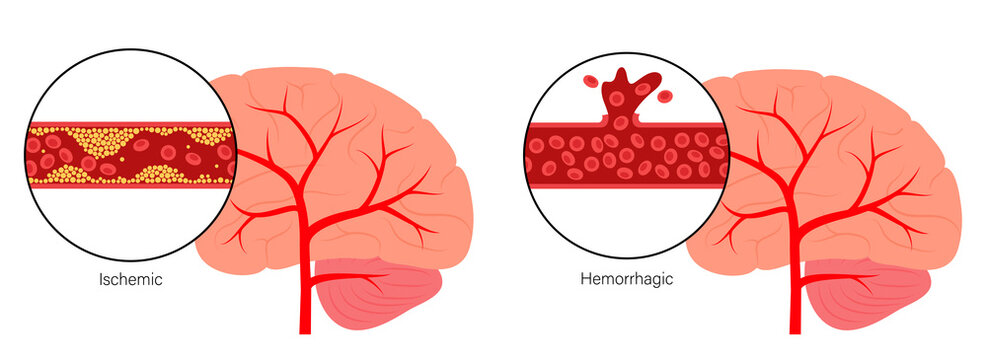
There are mainly two types of stroke:
Ischemic Stroke
This is the most common type and occurs when a blood vessel supplying the brain becomes blocked, usually by a clot.
Hemorrhagic Stroke
This happens when a blood vessel ruptures and causes bleeding inside the brain.
Although both are called stroke, their treatment approaches are very different — which is why early brain imaging is critical.
The Warning Signs We Should Never Ignore
One of the most heartbreaking things I hear from families is:
“Doctor, we thought it would get better.”
Stroke symptoms often appear suddenly and may include:
- Sudden weakness or numbness on one side of the body
- Facial deviation
- Slurred or absent speech
- Sudden loss of balance
- Difficulty understanding others
- Sudden vision problems
We often teach the FAST rule:
- F – Face drooping
- A – Arm weakness
- S – Speech difficulty
- T – Time to rush to the hospital
Time is brain. Every minute of delay can destroy millions of neurons.
Inside the Emergency Room: A Race Against Time
When this patient arrived, we immediately rushed him for a CT scan. The clock was running. Each decision needed to be quick — yet accurate.
The scan confirmed an ischemic stroke.
Because he had reached the hospital early, we were able to initiate urgent treatment. Not every patient gets this opportunity. Many arrive late, sometimes after several hours, when treatment options become limited.
This is why awareness is as important as medicine.
Treatment: More Than Just Medicines
Stroke treatment doesn’t end in the emergency room.
In the acute phase, our goal is to:
- restore blood flow
- prevent further brain damage
- stabilize vital functions
Once the danger passes, the real journey begins.
Rehabilitation involves:
- physiotherapy
- speech therapy
- occupational therapy
- emotional support
Recovery is not always dramatic. Sometimes it begins with a finger movement. Sometimes, with a single clear word after days of silence. As neurologists, we learn to celebrate these small victories because for stroke survivors, they mean everything.
The Emotional Side of Stroke
Stroke doesn’t affect only the patient; it affects the entire family.
I have seen strong individuals break down when they realize they cannot button their shirt. I have seen spouses learn patience they never imagined they would need.
One day, during follow-up, this patient looked at me and said:
“Doctor, I never knew how difficult walking could be.”
But he smiled while saying it — because he was walking again.
Moments like these remind us that recovery is not about returning to who we were, but about adapting to who we are now.
Can Stroke Be Prevented?
The reassuring truth is that many strokes are preventable.
From years of practice, the most common risk factors I see are:
- uncontrolled high blood pressure
- diabetes
- high cholesterol
- smoking
- obesity
- lack of physical activity
- irregular medications
Simple measures can significantly reduce risk:
- regular health check-ups
- blood pressure control
- healthy diet
- physical activity
- stress management
- timely medical follow-up
Prevention begins long before the stroke occurs.
A Neurologist’s Reflection
Stroke teaches us humility. Despite advanced technology and medicines, it reminds us how fragile the brain is and how precious time can be.
But it also teaches hope.
I have seen patients walk again, speak again, laugh again, not because of miracles, but because of early action, teamwork, and determination.
If there is one message I wish every family remembers, it is this:
Stroke is a medical emergency. Do not wait. Do not observe. Do not delay.
Acting early can save the brain, independence, and life.
By sharing this experience, I hope to create awareness because sometimes, knowledge itself becomes treatment.
